


Myofascial Rebalancing Bodywork (MRBW)
Myofascial Rebalancing Bodywork, isn’t about fixing. It’s about listening.
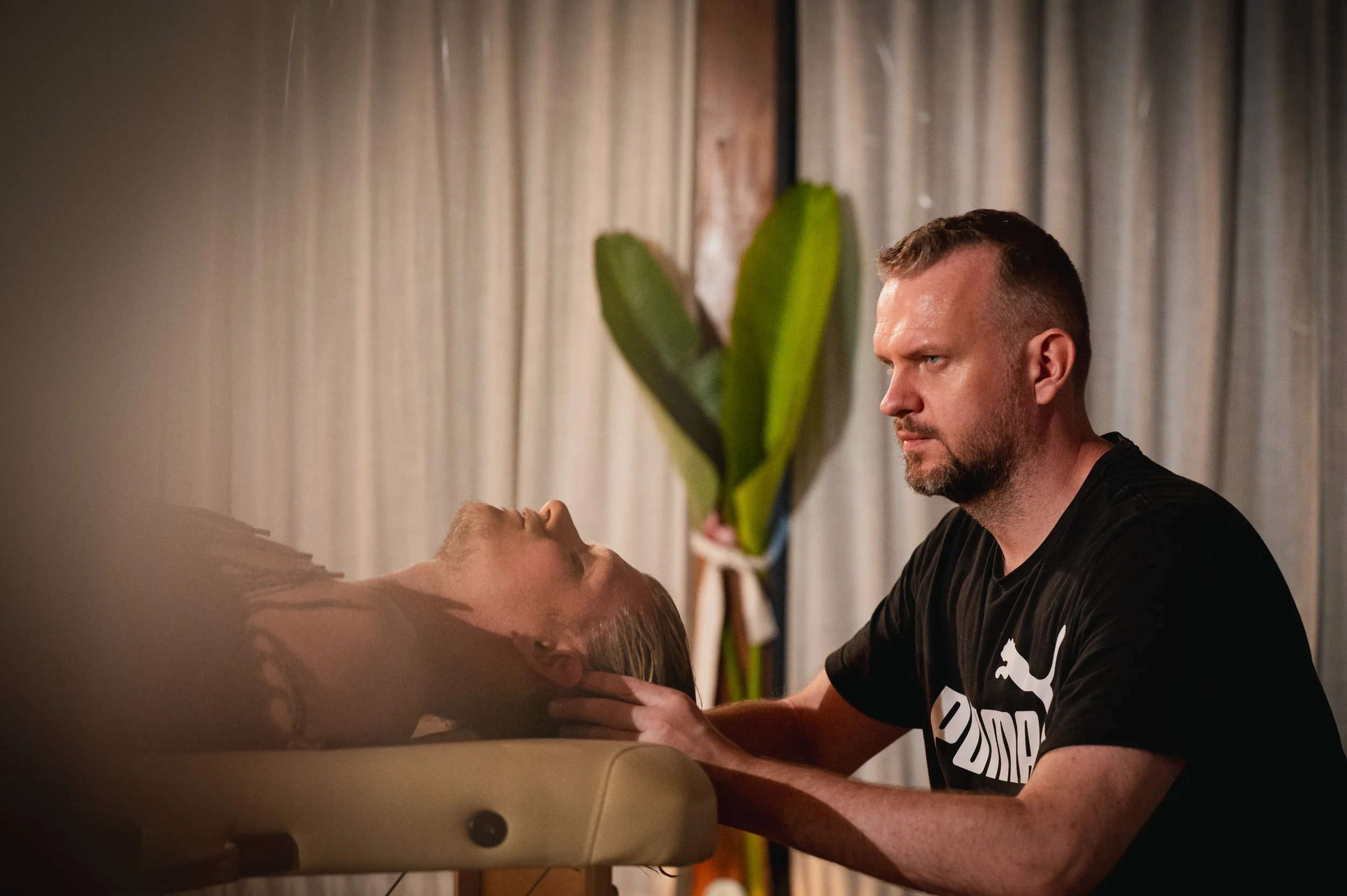
MRBW moves slowly and deliberately, meeting the places where your body holds tension, memory, and emotion. Chronic pain often arises from long-standing patterns of protection. Layers of armor, the body created to keep you safe. Through steady, intuitive touch, these layers are given space to be felt, seen, and gently unwind. Which brings back flow.
As we work through the fascial layers. The superficial, deep, and visceral fascia layers. The body will soften, the nervous system settles. And what has been nesting for years starts to release. This is intentional bodywork: slow, precise, and patient. Not to push or force, but to invite the system to reorganize from within.
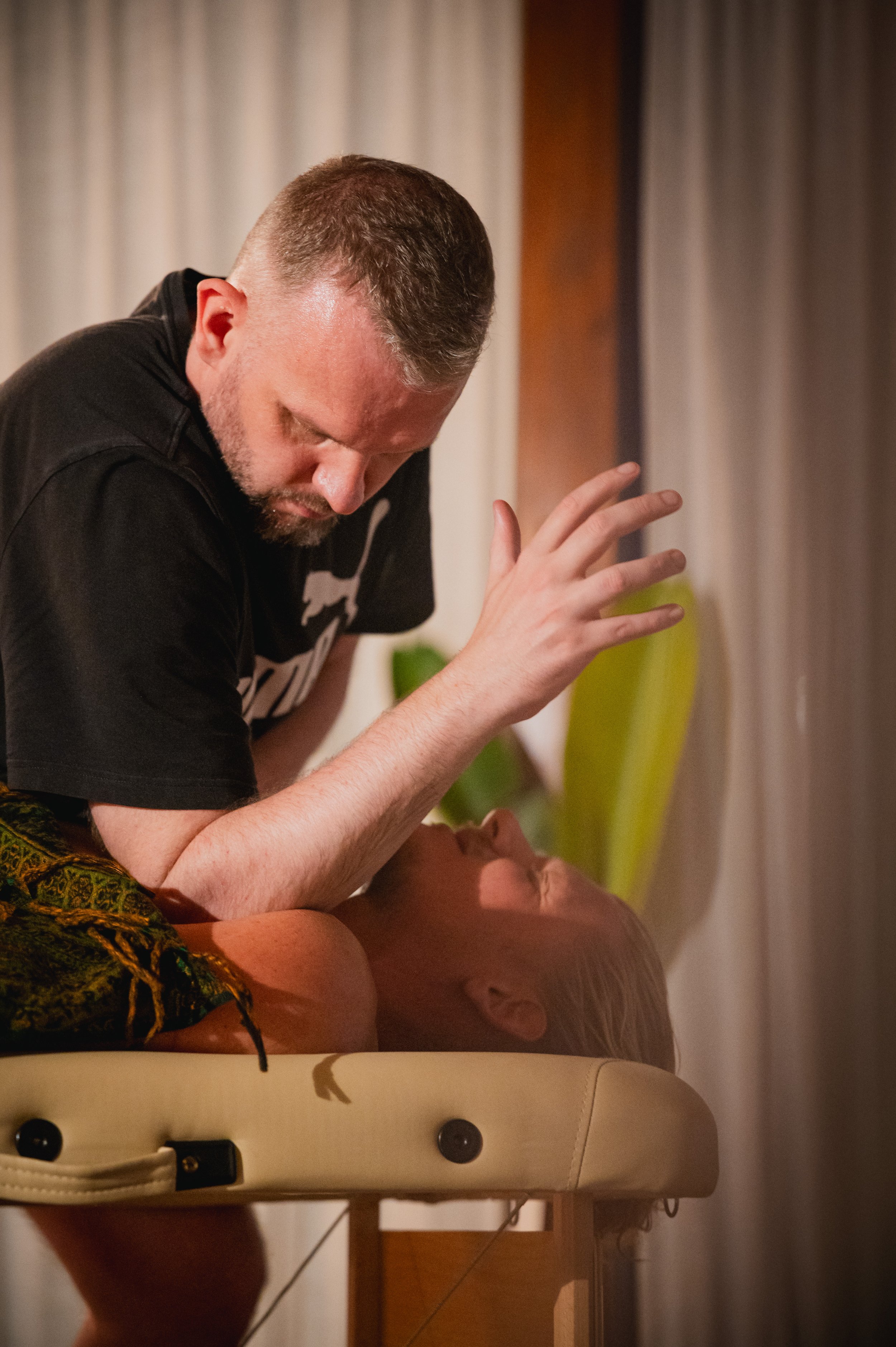
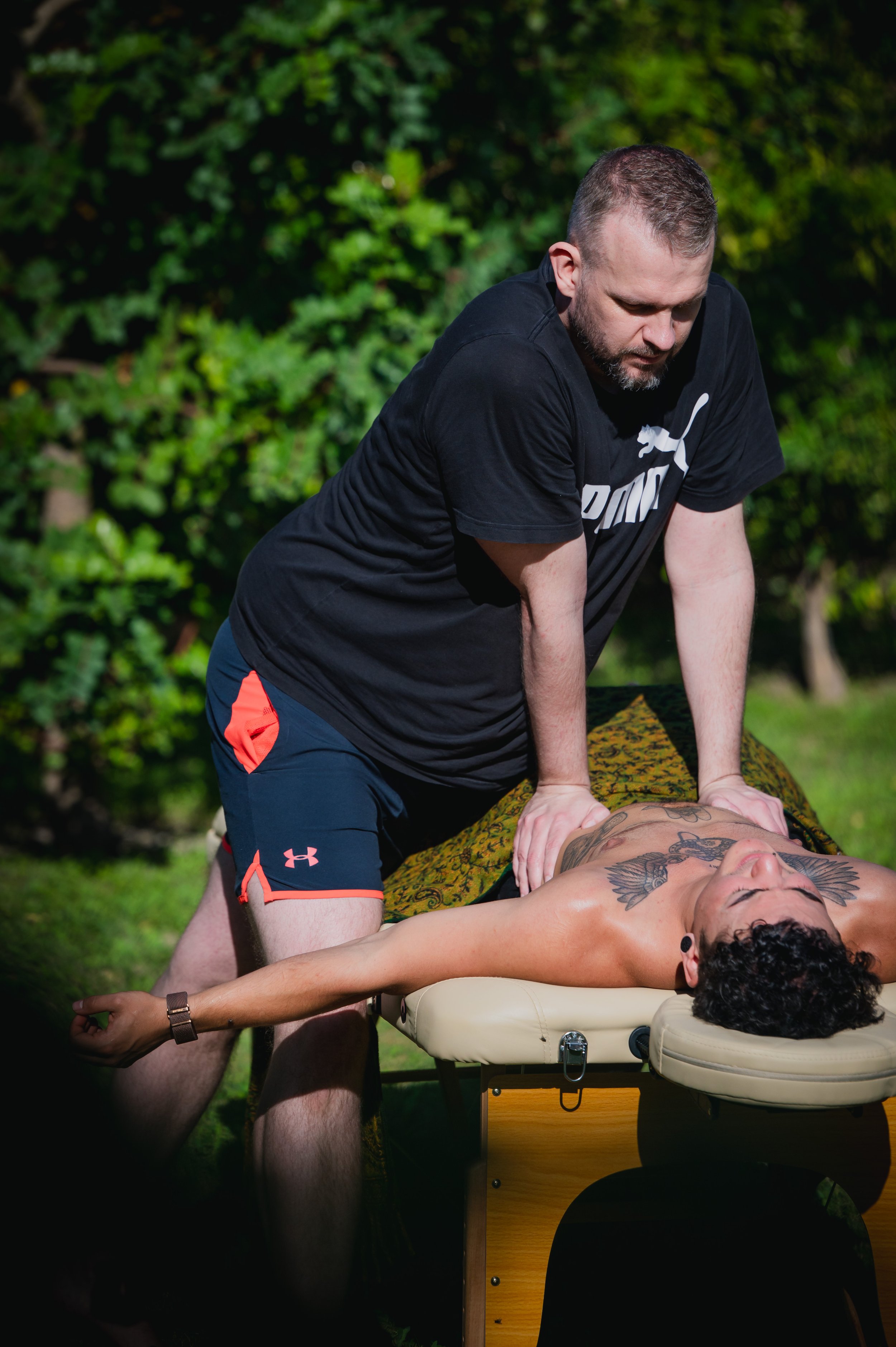
Physical tension and emotional holding are not separate. Fascia remembers injuries, posture, stress, and unprocessed experiences. It is a giant web that holds everything together. When we meet these places with presence and patience, the body can shift out of fight-or-flight and into a sense of safety. Natural alignment returns. Mobility returns. A deeper sense of self returns.
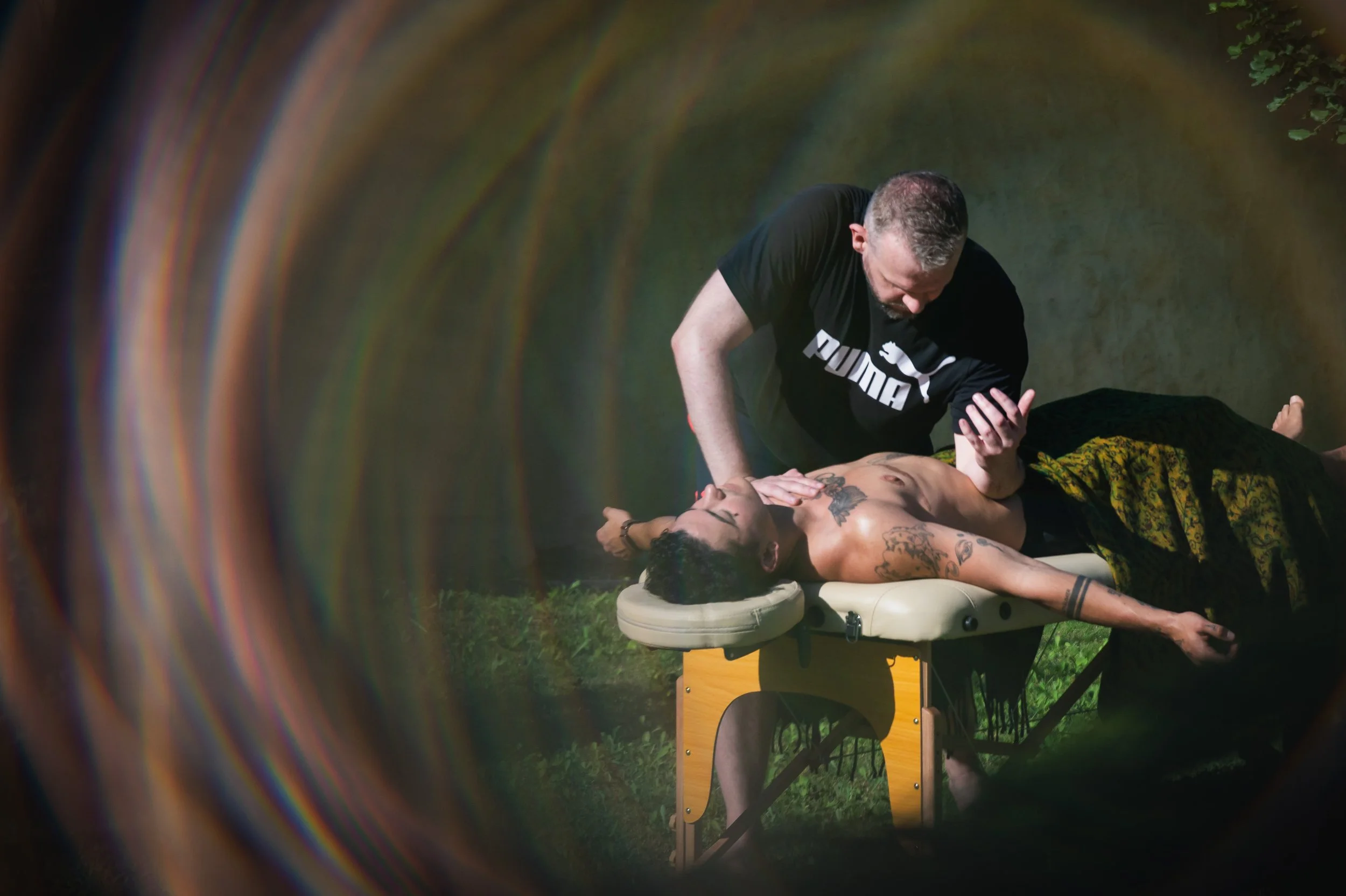
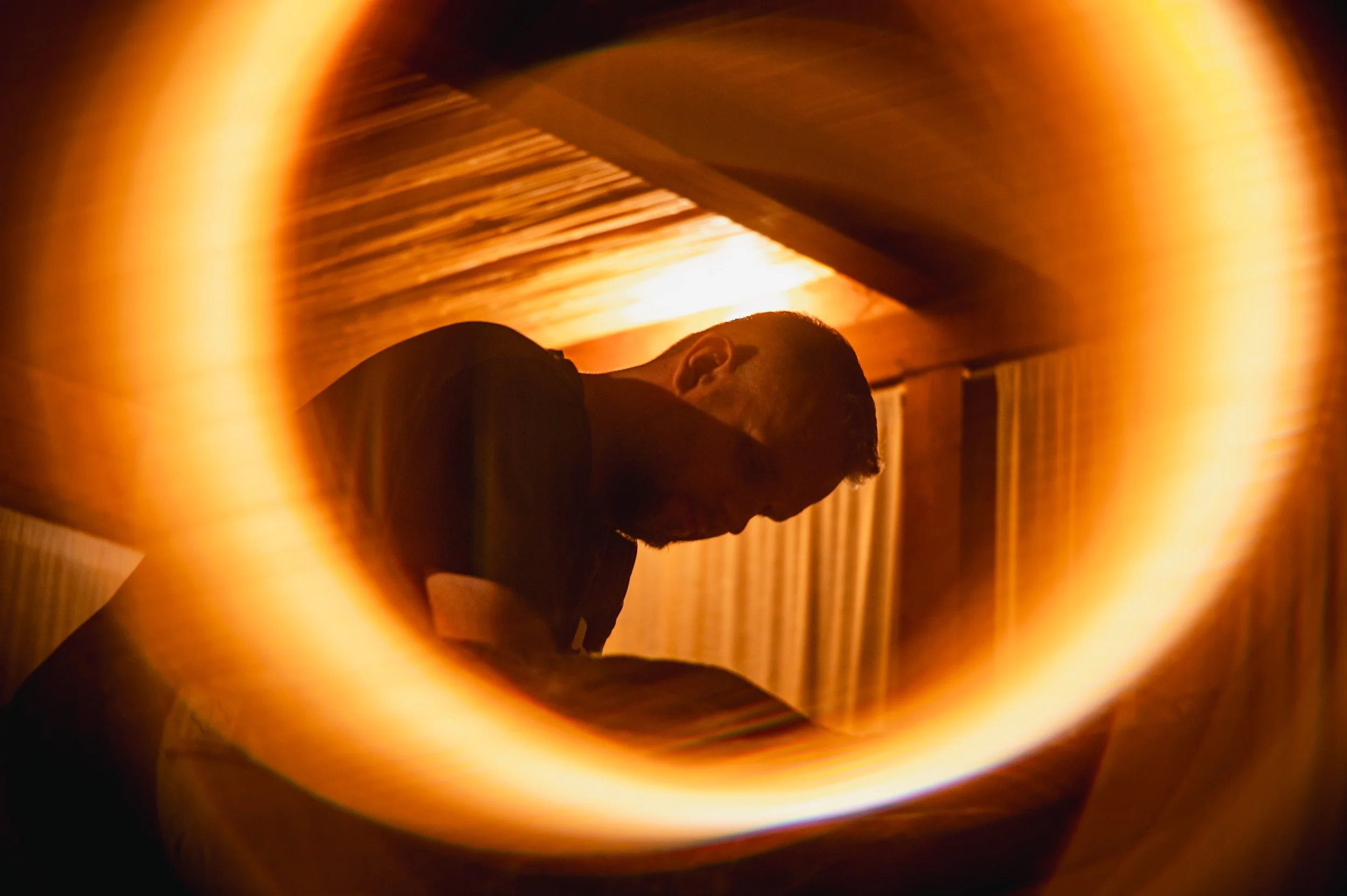
MRBW is not just a modality. It’s an approach. A way of listening. A way of meeting the body where it holds and creating the conditions for release, recovery, and reconnection. In this training, you will learn how to work with fascia slowly and deeply. Allowing real change to happen at the body’s pace. Want to participate in a training? Check the calender.
This offering is for you if you’re ready to:
✔️ Learn how to manipulate fascia, to meet chronic pain, tension, or emotional heaviness where it lives in the body with care and patience.
✔️ Explore a approach that blends manual technique, somatic awareness and emotional attunement. Addressing root causes rather than symptoms.
✔️ Give yourself the space and time to let the nervous system settle, the fascia unwind, breath deepen, and natural alignment emerge.
✔️ Engage not just the body but your system as a whole: physical, emotional, energetic.
✔️ Cultivate presence, sensitivity and trust in your body’s wisdom.
✔️ Get in touch with your ‘touch - and intuition.’
This work is more than manual therapy. It is an attunement practice, a way of developing hands that listen and a presence that supports change.
Whether you are a bodyworker, therapist, or simply drawn to the depth of touch, this training offers tools that can transform both your clients and your own relationship with the body. This work will change your life and from your client.

Who will you become at the end of this course?
By the end of these intense deep dives, you will have transformed into a confident, compassionate and intuitive bodyworker. You will possess the knowledge, skills and emotional depth to guide profound embodiment experiences for both yourself and others.
You will walk away from this training as:
✔️A confident, bodywork-informed facilitator. Holding safe, compassionate space for deep integration.
✔️A master of slow, intuitive, deeply attuned touch for physical, mental, and emotional transformation.
✔️A skilled leader guiding private one-on-one sessions with ease and presence.
✔️A grounded, intuitive practitioner that respects the body’s timing.
✔️Truly help your clients with chronic pain.
✔️A resilient individual who has learned to get in touch with themselves.
Upper Body MRBW Course – Part 1
Back • Shoulders • Neck • Face • Chest • Arms • Diaphragm
What You Will Learn
Fascial Mapping of the Upper Body
Understanding the fascial networks of the back line, chest line, face shoulder girdle, neck, thoracic diaphragm, and arms.Deep Fascia Massage for the Shoulders & Thoracic Spine
How to work slowly and intuitively with regions that commonly hold anxiety, collapse, over-effort, or emotional memory.Face, Neck & Jaw Release Techniques
Approaches for softening bracing patterns and restoring fluid movement through the cervical fascia.Diaphragmatic Unwinding
Techniques to support deeper breathing, emotional release, and upper-body decompression.Somatic Listening Through the Hands
Reading subtle shifts in tone, temperature, and breath to guide deeper work.
Course Structure
Lower Body MRBW Course - Part 2
Legs • Hips • Pelvis • Lower Back • Feet • Abdomen
What You Will Learn
Fascial Mapping of the Lower Body
Understanding the deep and superficial fascial lines running through the feet, calves, hamstrings, IT band, quadriceps, hip structures, pelvic floor, and low back.Deep Fascia Release Techniques
Slow, precise, pressure-based techniques to unwind chronic tension without force.Myofascial Unwinding of the Lower Body
Supporting spontaneous softening, micro-movements, and natural decompression of tissue.Hip & Pelvic Release Protocols
Approaches for unlocking stored protection patterns related to posture, movement, and emotional holding.Working With the Lower Body Nervous System
Techniques that help shift the system out of fight-or-flight, bringing grounding, stability, and safety..
-
Due to the nature of this work there are certain contraindications that prevent you from being able to take part on the training, they are as follows:
-High blood pressure
-Pregnancy
-Severe diagnosed PTSD
-Detached retina
-Severe mental health conditions (bipolar, psychosis, schizophrenia)
-Recent surgeries
-Epilepsy or history of seizures
-Cardiovascular problems
-Heart disease
-History of aneurisms -
No, you don’t need any prior anatomy knowledge to join the training. Everything you need will be taught in a clear and accessible way. We cover only the anatomy that supports your hands-on work, explained simply and demonstrated so you can feel it in your own body. Beginners are welcome.
The main essence of this work is getting in ‘touch with your touch - and intuition.’
-
You can start as a beginner. If you already work with clients, this training will add new tools and approaches to support the work you’re doing.
-
Yes, you are welcome to join the training for your own personal development and inner evolution
-
Upper body and lower body courses are interchangeable. It doesn’t matter which one you start with.